
Tesla Autopilot Accident Lawyer in Texas: Level 2 Driver Assistance Is Not Self-Driving
Quick Answer Tesla Autopilot and Full Self-Driving (Supervised) are driver-assistance systems, not autonomous driving. Under the Level 2 classification, the vehicle may control steering, acceleration, and braking, but the human driver must remain attentive and responsible for operating the vehicle. After a Texas crash, liability may involve the Tesla driver, another motorist, a company, or […]
Tesla Full Self-Driving Crash Liability in Texas: Do Tesla’s Official Terms Limit Your Claim?
Quick Answer Tesla describes Full Self-Driving (Supervised) as a driver-assistance system, not an autonomous vehicle, and requires the driver to remain attentive and responsible for safe operation. Tesla’s current subscription agreement also limits its stated reimbursement to one subscription payment and sends many subscriber disputes to individual arbitration. Those provisions do not automatically create a […]
Tesla Autopilot Accident Liability in Texas: Who Is Responsible?
Quick Answer In Texas, the driver is usually the first potentially responsible party because Tesla’s Autopilot and Full Self-Driving (Supervised) features require an attentive human driver who is ready to take control. Tesla may also share responsibility if a defective design, software behavior, manufacturing problem, or inadequate warning helped cause the crash. Texas law allows […]
Commercial Vehicle Black Box Data: What Does It Record and How Can It Help Your Texas Case?

Quick Answer Commercial vehicle black box data may show speed, braking, throttle position, engine RPM, gear selection, fault codes, and other vehicle inputs before a crash. An electronic logging device, or ELD, is different: it records information such as time, location, vehicle miles, engine hours, and driver-duty events. The exact information depends on the truck, […]
Common Car Accident Injuries That Don’t Show Up on X-Rays
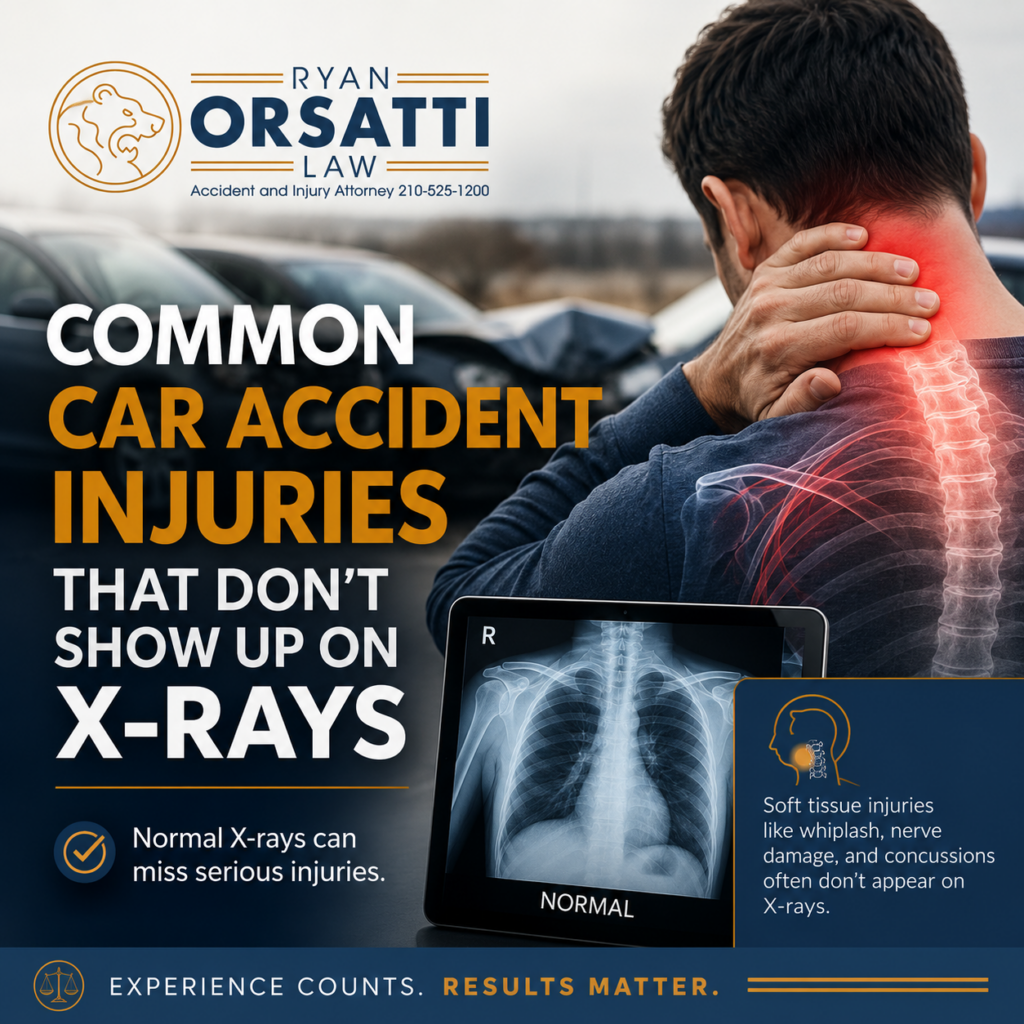
Quick Answer A normal X-ray after a car accident does not rule out whiplash, a herniated disc, ligament or tendon tears, concussion, nerve injury, or internal trauma. X-rays are best at showing bones and alignment, while MRI, CT, ultrasound, physical examinations, and neurocognitive testing may be needed for other injuries. TxDOT reported 251,977 people injured […]
I-35 and I-10 Interchange Wrecks: What San Antonio Drivers Should Know
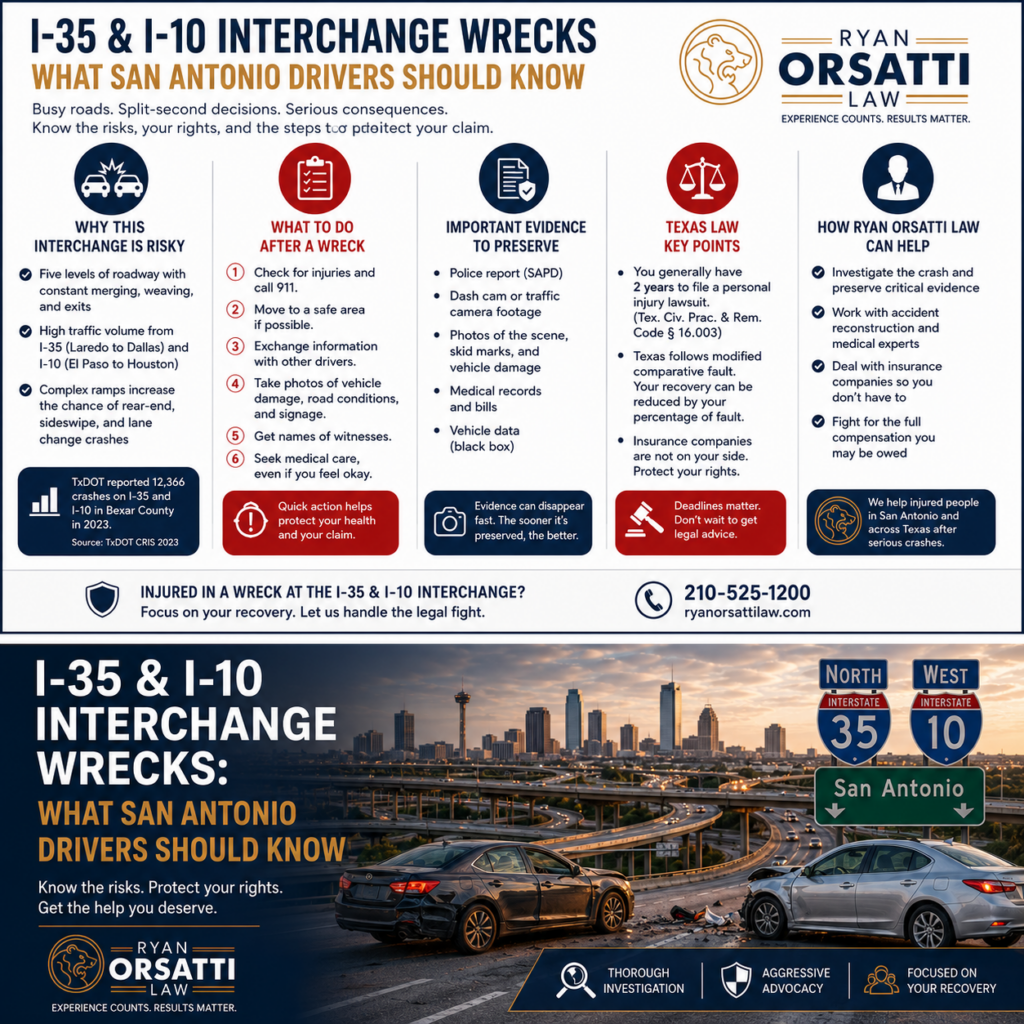
Quick Answer After an I-35 and I-10 interchange wreck in San Antonio, move to safety if possible, call 911 when anyone may be injured or a vehicle cannot be safely driven, and record the exact direction, level, ramp, and nearby exit. Fault is not automatic in a merge crash. Texas law asks whether each driver […]
The Cell Phone Data Subpoena Playbook in Distracted Driving Cases in Texas
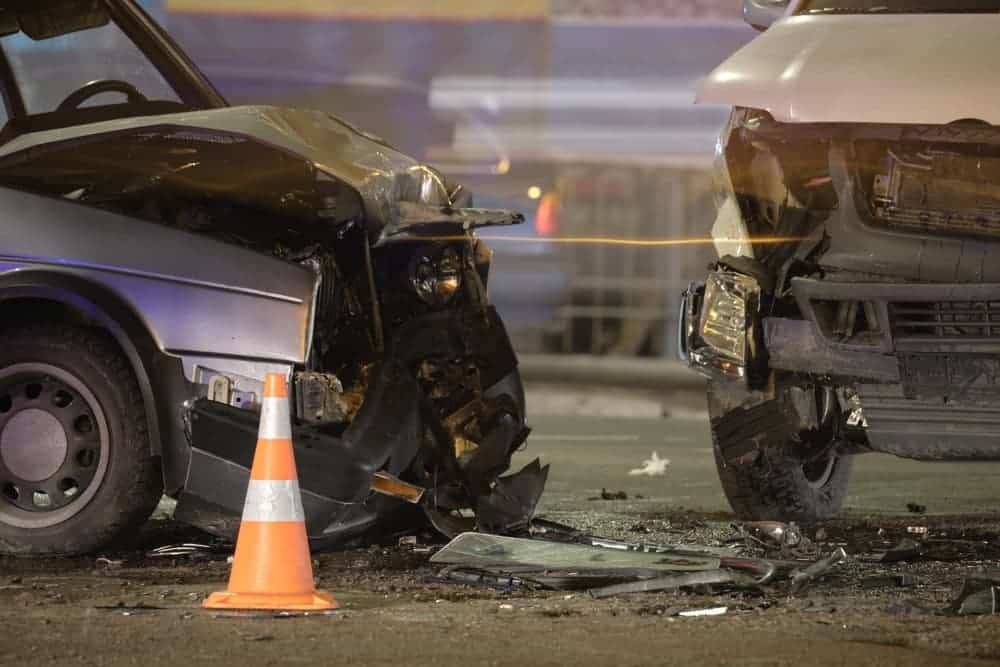
How Do You Prove Distracted Driving in Texas? Quick Answer: Proving distracted driving in Texas requires digital evidence, and the most powerful sources go far beyond a simple text message log. Cell phone carrier records, app metadata from platforms like Snapchat, Waze, and Spotify, and geolocation timestamps may all place a driver’s attention away from […]
Who Pays When Three or More Drivers Are Partially at Fault in a Texas Crash?
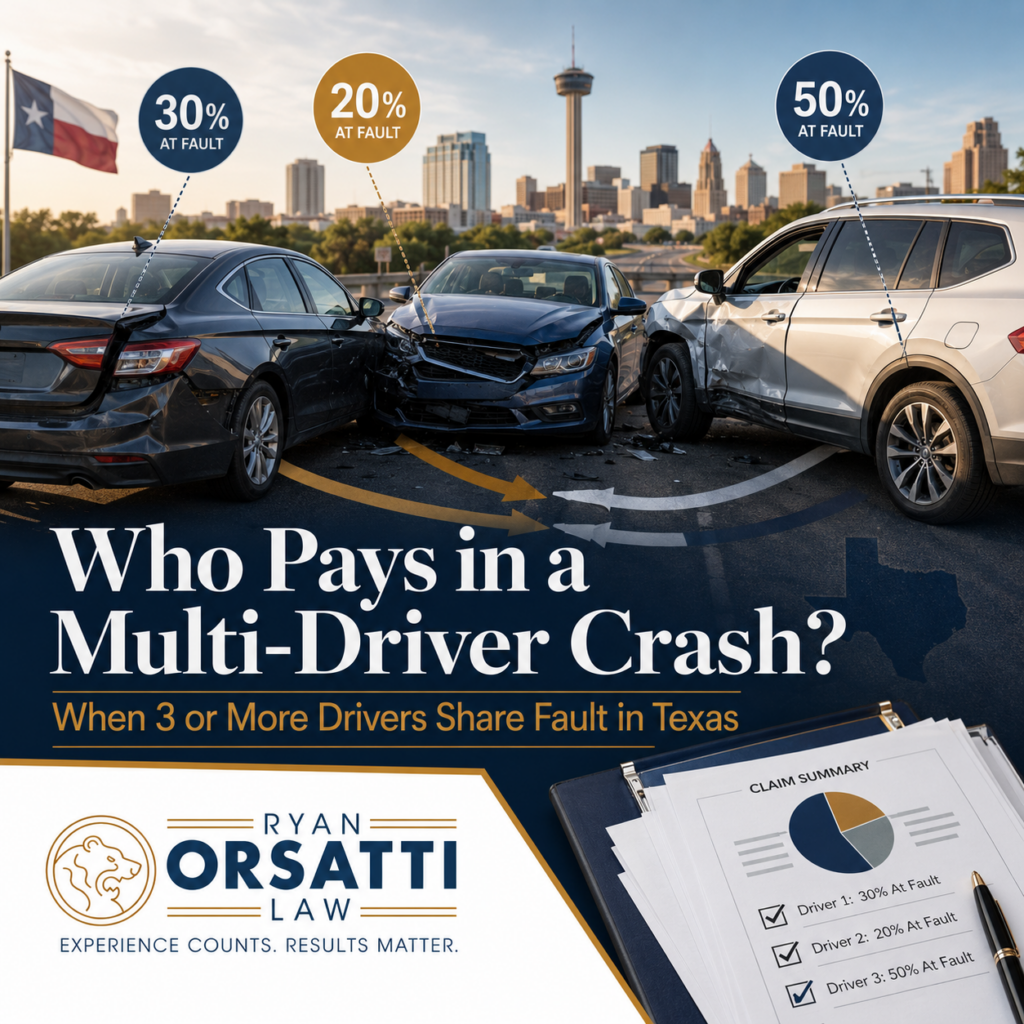
Quick Answer When three or more drivers share fault for a Texas crash, each liable driver generally pays the percentage of damages equal to that driver’s responsibility. Your recovery is first reduced by your own percentage of fault, and you recover nothing if you are more than 50% responsible. A defendant found more than 50% […]
Who Is Liable for a U-Haul or Rental Truck Accident in Texas?
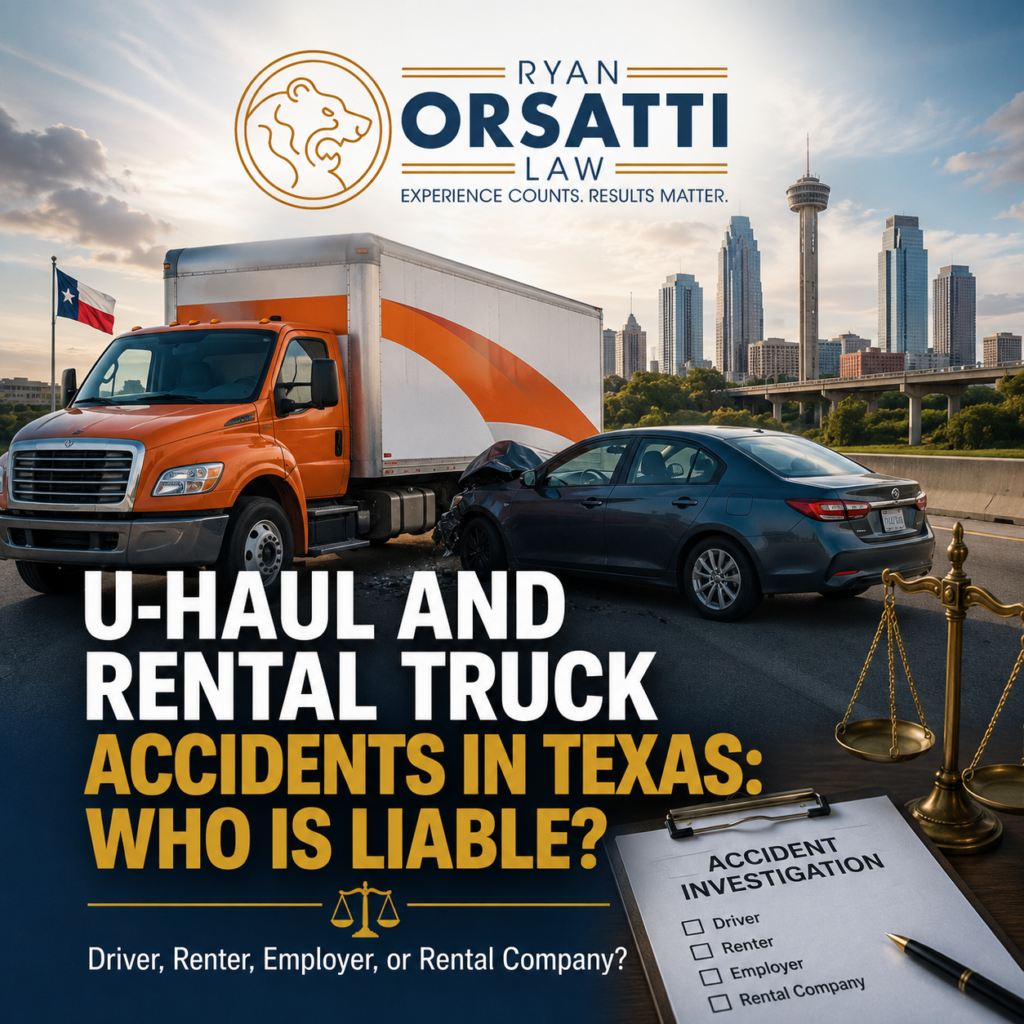
Quick Answer The negligent driver is usually the first person liable after a U-Haul or rental truck accident in Texas. Depending on the facts, responsibility may also reach the renter, an employer, another motorist, a loading or repair company, or the rental company for its own negligence. The federal Graves Amendment generally blocks liability based […]
Should I Call the Police for a Minor Fender Bender in Texas?

Quick Answer Usually, yes. You should at least contact law enforcement after a minor fender bender, although Texas law does not require a 911 call for every collision. Under Texas Transportation Code § 550.026, immediate police notice is required when someone is injured or killed, or when a vehicle cannot be normally and safely driven. For […]