
Can the Insurance Company See My Medical Records Without Permission in Texas?
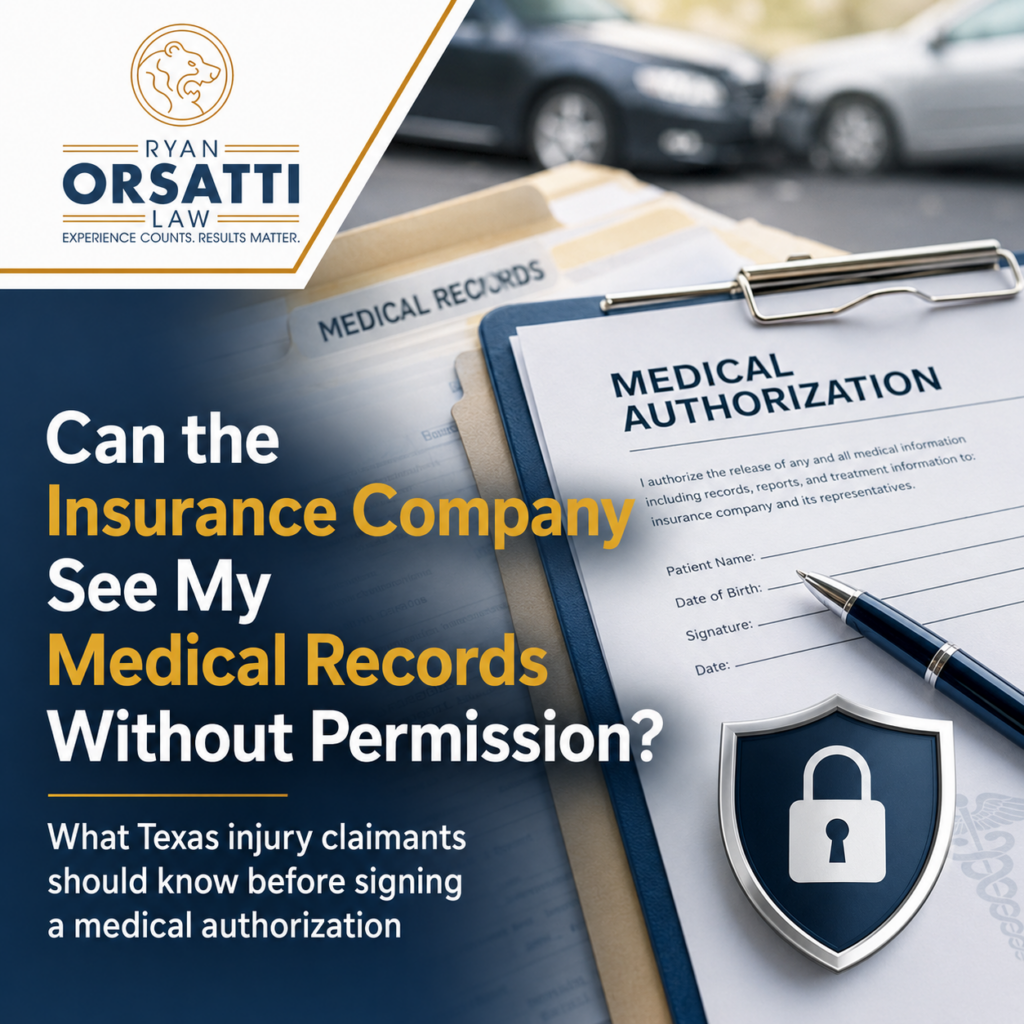
Quick Answer Usually, the at-fault driver’s insurance company cannot obtain your medical records directly from a doctor merely by asking. It normally needs a valid written authorization, records you voluntarily provide, or lawful court process. Different rules may apply to your health insurer, workers’ compensation carrier, or records requested after a Texas personal injury lawsuit […]
Should I Talk to the Company Man, Safety Man, HR, or Insurance Adjuster While I Am Medicated?
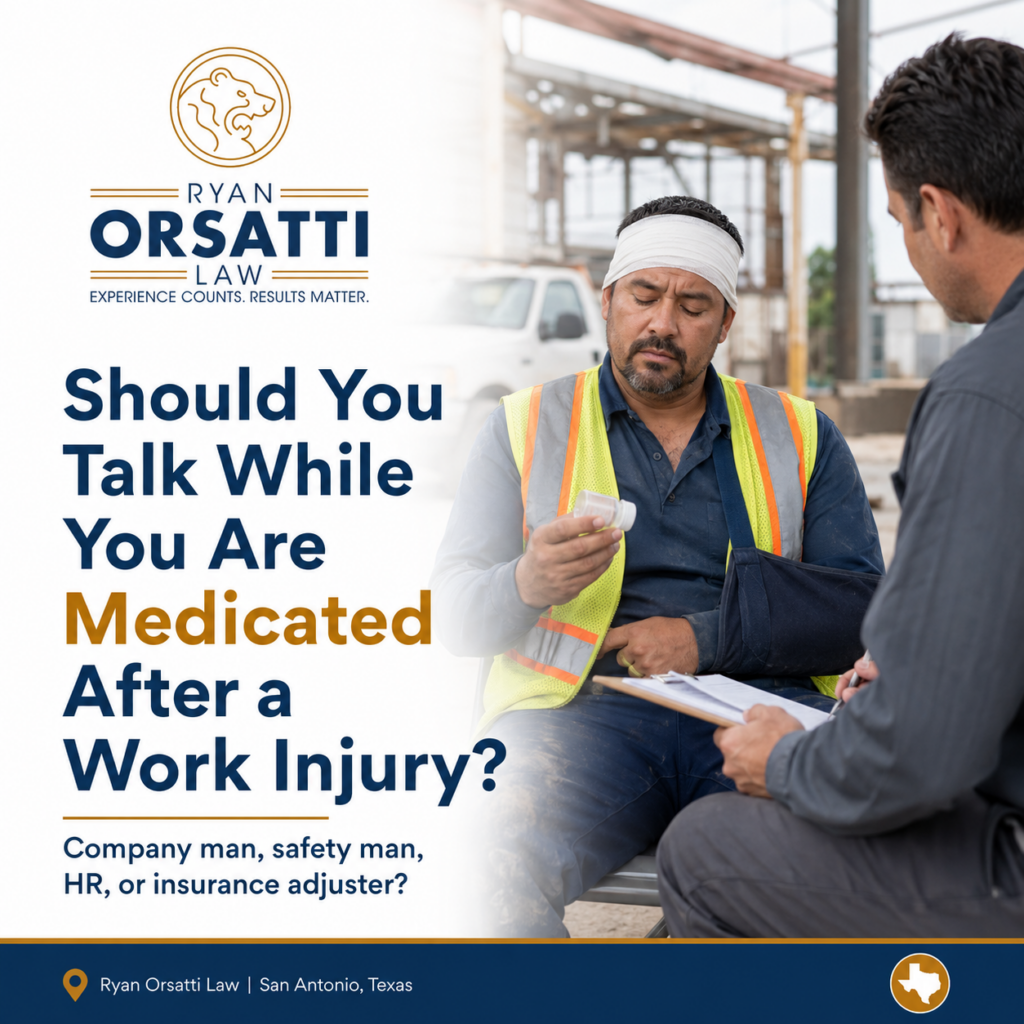
Quick Answer Generally, you should not give a detailed, recorded, or signed statement while pain medication, sedation, a head injury, severe pain, or shock may be affecting your memory or alertness. Report the injury, identify urgent safety hazards, and provide the basic facts needed for medical care, but ask to postpone the detailed interview until […]
What Should My Family Do While I Am Still in the Hospital After a Rig Accident?
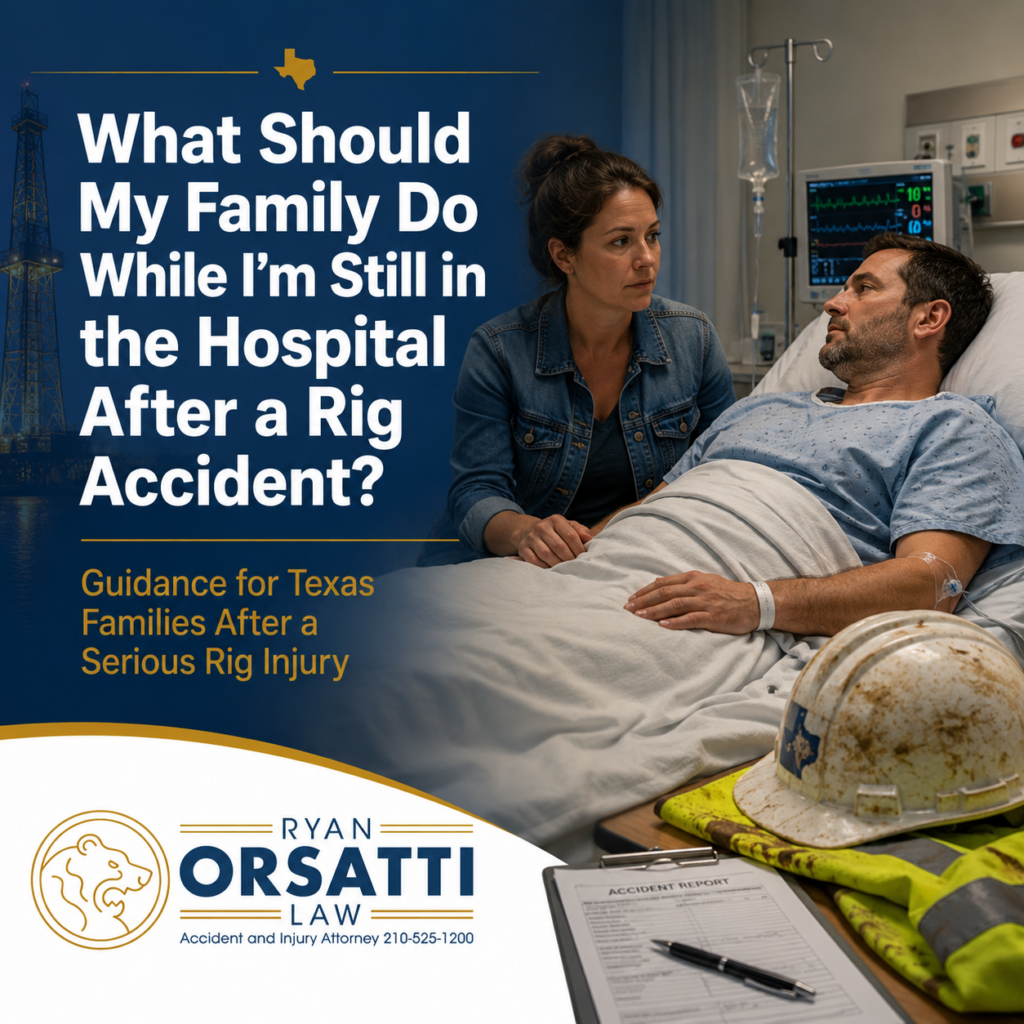
Quick Answer While you are hospitalized after an onshore Texas rig accident, your family should protect three things at once: your medical care, the required work-injury notices, and time-sensitive evidence. A family member can report the injury on your behalf, identify every company working at the site, verify workers’ compensation coverage, preserve your phone and […]
What Counts as a Catastrophic Injury Under Texas Law? Why the Label Matters, but the Proof Matters More

Quick Answer Texas law does not give most negligence plaintiffs a separate damages category merely because an injury is called catastrophic. The term generally describes an injury that permanently changes a person’s ability to work, move, communicate, live independently, or care for themselves, but recovery still depends on proving fault, medical causation, and each past […]
Can the Other Driver’s Lawyer Use My Social Media Posts Against Me in Texas?
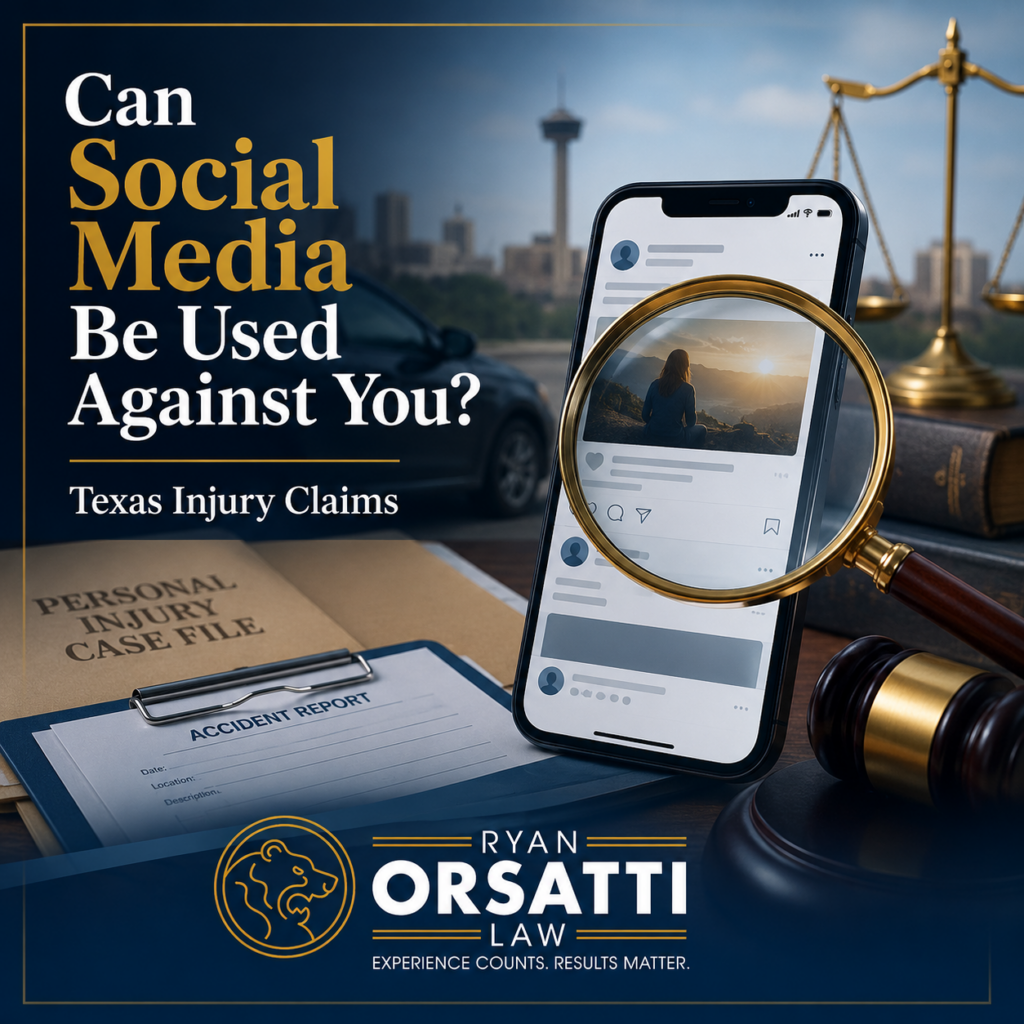
Quick Answer Yes. In a Texas personal injury case, the other driver’s lawyer may seek relevant posts, photos, videos, comments, messages, check-ins, tags, and other account data. Properly authenticated content may be used during a deposition, mediation, motion hearing, or trial. Stop posting, preserve what already exists, and let your lawyer evaluate any social media […]
Why Is the First Settlement Offer Often Too Low After a Texas Car Accident?

Quick Answer An insurer’s first settlement offer after a Texas car accident is often low because it may be made before the full medical, wage-loss, liability, insurance-coverage, and lien picture is documented. Accepting the offer usually requires a release, and the Texas Department of Insurance warns that this release promises that you will not bring […]
What Happens When Multiple Insurance Companies Are Calling After a Wreck in Texas?

Quick Answer Multiple insurance companies may call after a Texas wreck because different policies could cover different parts of the loss. The callers may represent the other driver, the vehicle owner, an employer, your own collision or PIP coverage, or a possible UM/UIM claim. Do not give every adjuster an immediate, unscripted statement. Identify the […]
What Is a Recorded Statement and Should I Give One After a Texas Car Accident?
Quick Answer A recorded statement is an audio-recorded interview in which an insurance adjuster asks about a crash, fault, injuries, treatment, and damages. You generally should not give a broad recorded statement to the other driver’s insurer before getting legal advice. Your own insurer is different because your policy may require cooperation, but you can […]
Medical Liens, Subrogation, and Your Personal Injury Settlement in Texas: What Gets Paid First?

Quick Answer: A Texas personal injury settlement does not follow one universal rule saying attorney fees or medical liens are always paid first. The settlement normally enters a trust account, then attorney fees, case expenses, and valid third-party claims are calculated under the fee agreement and the law governing each claim. Texas Rule 1.15 requires disputed […]
I-35 NEX Construction Debris or a “Phantom” Barrier Crash in Live Oak: What Legal Options Do You Have?
The I-35 Northeast Expansion (NEX) project is a major TxDOT reconstruction effort covering roughly 20 miles from N. Walters Street to FM 1103, including elevated structures and shifting traffic patterns through Bexar and neighboring counties. When something goes wrong—loose debris, unsecured materials, or an unexpected barrier placement that forces a split-second maneuver—the result can be a […]