

You may still recover compensation even if you’re partly at fault for your motorcycle accident in Texas, as long as you’re not more than 50% responsible for the crash.
Texas follows modified comparative negligence rules, which allow injured parties to recover damages even when they share fault for an accident. Your percentage of fault reduces your compensation, but it doesn’t eliminate your claim unless you’re 51% or more responsible.
Insurance companies may try to overstate a motorcyclist’s fault to reduce payouts. Attorney Ryan Orsatti fights these unfair fault arguments, gathering evidence that demonstrates the other driver’s negligence while minimizing claims about your contribution to the crash.
If you’re worried about partial fault after a San Antonio motorcycle accident, call Ryan Orsatti Law at (210) 525-1200 for a free consultation. We answer 24/7, and you pay nothing unless we win.
Yes. Texas Civil Practice and Remedies Code § 33.001 allows you to recover compensation when you share fault for an accident, provided your fault doesn’t exceed 50%. This legal framework, known as modified comparative negligence, acknowledges that many accidents involve multiple contributing factors.
The critical threshold is 51%. If you’re determined to be 51% or more at fault, you recover nothing under Texas law. This all-or-nothing bar rule makes fault percentages the central battleground in many motorcycle accident claims.
Insurance companies understand this rule, and some adjusters try to exploit it. They may aggressively argue that motorcyclists bear the majority of the fault, hoping to reduce payouts or eliminate liability entirely.
Texas’s comparative negligence system evaluates each party’s contribution to an accident and assigns fault percentages totaling 100%. These percentages directly affect compensation.
Courts and insurance adjusters consider multiple factors when determining fault:
For motorcycle accidents specifically, insurance companies often cite rider behavior that wouldn’t draw scrutiny if a car were involved. They might blame motorcyclists for factors such as lane positioning, speed, visibility, or the choice of protective gear, even when these factors didn’t cause the accident.
Attorney Ryan Orsatti employs an evidence-based approach to challenge these fault arguments. He gathers police reports, witness statements, traffic camera footage, accident reconstruction analysis, and expert testimony, when needed, to demonstrate that the other driver’s negligence caused your crash.

Under Texas law, you are barred from recovering if you are 51% or more at fault. This harsh result makes fault percentages critical. The difference between 50% fault and 51% fault is the difference between recovering reduced compensation and recovering nothing at all.
Never accept an insurance company’s fault determination without consulting an attorney. Their assessment serves their financial interests, not yours.
Attorney Ryan Orsatti investigates motorcycle accidents thoroughly, identifying evidence that accurately reflects fault rather than accepting the insurer’s version of events.
Maybe. Bias and industry practices can lead insurance companies to routinely blame motorcyclists for accidents, even when other drivers violate traffic laws or fail to see riders in plain sight.
Common tactics insurance adjusters use against motorcycle accident victims include:
These arguments aim to increase your fault percentage and reduce the insurer’s payout. Many have nothing to do with accident causation but create doubt about your riding behavior.
Texas doesn’t require all motorcyclists to wear helmets. Riders over 21 may ride without helmets if they’ve completed a safety course or carry adequate insurance coverage under Texas Transportation Code § 661.003.
However, insurance companies may argue helmet absence contributed to your injuries, even if it didn’t cause the accident itself. This argument attempts to reduce compensation by claiming your injuries would have been less severe with a helmet.
These arguments face legal limitations. Helmet absence doesn’t cause accidents. A driver who failed to yield caused your collision. The helmet question relates only to injury severity, not accident liability.
Your attorney may need to address helmet issues in your claim, particularly if you suffered head injuries. These battles occur within the larger fault framework but focus on damages rather than liability.
Never let helmet arguments discourage you from pursuing compensation. Even if helmet absence affected injury severity, you may still recover substantial damages for the accident the other driver caused.

Strong evidence demonstrates what actually caused your accident, countering insurance company arguments that exaggerate your fault. Critical evidence includes:
Attorney Ryan Orsatti gathers this evidence systematically, building a comprehensive picture of your accident that minimizes unfair fault attribution. Evidence collection must occur quickly because cameras record over footage, witnesses forget details, and physical evidence can disappear.
Early legal involvement preserves critical evidence that protects your claim.
No. Never admit fault at an accident scene, even if you think you might have contributed to the crash. Polite statements like “I’m sorry” or “I didn’t see you” may be interpreted as fault admissions later, even though you were just being courteous or expressing concern for the other person.
Adrenaline, shock, and incomplete information at accident scenes prevent accurate fault assessment. You don’t know what the other driver was doing before the impact, whether they were distracted or impaired, or whether traffic cameras captured their violations.
Many riders apologize reflexively at accident scenes without realizing that these statements become evidence. If you already said “I’m sorry” or “it was my fault,” tell your attorney immediately. These statements complicate your claim but don’t necessarily destroy it.
Your attorney may argue that your apology expressed concern for someone’s well-being rather than a legal admission of fault, that shock and adrenaline affected your statements, or that other evidence contradicts what you said at the scene.
The sooner you take action after a motorcycle accident and consult an attorney after making potentially damaging statements, the better they may protect your claim.
Insurance adjusters often contact injured riders within hours or days of crashes, requesting recorded statements before you’ve consulted an attorney. Decline these requests politely.
You’re not legally required to give recorded statements to the other driver’s insurance company. Save fault discussions for your attorney, who evaluates your case objectively and identifies evidence that accurately reflects what happened.
Having a motorcycle accident lawyer is usually strongly recommended if you share some blame for the crash. Partial fault cases require skilled legal representation for several critical reasons:
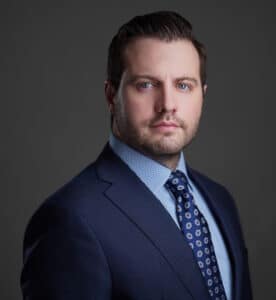
Attorney Ryan Orsatti represents motorcycle accident victims throughout San Antonio and across Texas. He investigates crashes thoroughly, gathering evidence that accurately reflects fault rather than accepting insurance company versions.
No. Texas law treats motorcycles as legitimate vehicles with equal road rights. However, insurance adjusters sometimes exhibit anti-motorcycle bias, suggesting riders are inherently reckless or that motorcycles create unreasonable danger, which isn’t legally valid.
When drivers dispute fault, evidence determines the outcome. Police reports, witness statements, traffic cameras, physical evidence, and accident reconstruction analysis prove what actually happened, regardless of what drivers claim.
Maybe. Pleading guilty to a traffic violation may be used as evidence of fault, but it doesn’t automatically bar your personal injury claim. Your attorney evaluates how the violation relates to the accident and whether you may still recover damages despite the plea.
Texas generally requires personal injury claims to be filed within two years from the accident date under Texas Civil Practice and Remedies Code § 16.003. This deadline is strict, and missing it typically eliminates your right to compensation.
A motorcycle accident attorney investigates your crash, gathers evidence demonstrating the other driver’s negligence, challenges unfair fault arguments from insurance companies, negotiates fault percentages that preserve your compensation, and litigates your case if settlement negotiations fail.

Being partly at fault doesn’t always eliminate your right to compensation, but insurance companies may try to make you believe otherwise. They exaggerate motorcyclists’ fault, exploit anti-rider bias, and pressure you to accept minimal settlements based on distorted fault percentages.
Attorney Ryan Orsatti knows how insurance companies manipulate fault in motorcycle accident cases. He gathers evidence that demonstrates what actually caused your crash, challenges fault arguments that don’t reflect reality, and fights for compensation that accounts for the other driver’s negligence rather than letting insurers shift blame onto you.
If you’re worried about partial fault after a San Antonio motorcycle accident, contact Ryan Orsatti Law today at (210) 525-1200 for a free case evaluation. We answer 24/7, and you pay nothing unless we win. Let Ryan protect your rights while you focus on recovery.