
In a T-bone accident, the driver who failed to yield the right-of-way is typically found to be at fault. This often means the driver who ran a red light, ignored a stop sign, or made an unsafe turn is considered responsible. However, determining who is at fault for a T-bone accident can be more complicated than it first appears, and consulting an experienced car accident lawyer can help you understand how Texas law and the specific details of the crash affect the final outcome.
Key Takeaways for Who is At Fault in a T-Bone Accident?
- Fault in a T-bone accident is generally assigned to the driver who violated traffic laws, such as failing to yield the right-of-way at an intersection.
- Determining liability involves a thorough investigation of evidence like police reports, witness statements, and traffic camera footage.
- Texas follows a “proportionate responsibility” rule, meaning a driver can only recover damages if they are found to be 50% or less at fault for the crash.
- Common causes of T-bone collisions include distracted driving, running red lights or stop signs, and making improper left turns.
- Even if one driver seems clearly at fault, factors like speeding or malfunctioning traffic signals can complicate the determination of liability.
Understanding T-Bone Accidents and Why They Happen

A “T-bone” accident, also known as a side-impact collision, gets its name from the “T” shape the two vehicles form at the point of impact. One car’s front end crashes directly into the side of another vehicle. These collisions most frequently occur at intersections, in parking lots, or any place where paths of travel cross.
From the busy six-way intersections in Houston to the four-way stops in quieter San Antonio neighborhoods, the risk is always present. The danger of T-bone accidents is particularly high because the sides of a vehicle offer very little protection compared to the front and rear, which have crumple zones and engine blocks to absorb impact. This often leads to severe, life-altering injuries for the occupants of the car that was struck.
The Core Principle of Fault: The Concept of Negligence
In the legal world, figuring out who is at fault comes down to a concept called “negligence.” Simply put, negligence means someone acted carelessly, and their carelessness caused harm to another person. To show a driver was negligent, you generally need to demonstrate four things:
- Duty of Care: Every driver on the road has a duty to operate their vehicle safely and follow traffic laws to avoid harming others.
- Breach of Duty: The driver violated this duty. For example, they were texting instead of watching the road.
- Causation: This breach of duty directly caused the T-bone accident and the resulting injuries.
- Damages: The person who was hit suffered actual harm, such as medical bills, lost wages, and pain and suffering.
Most traffic violations are considered a breach of a driver’s duty of care. When a driver’s actions lead to a collision, their negligence is often the central focus of the case.
- Running a red light or a stop sign.
- Failing to yield the right-of-way when making a left turn.
- Driving while distracted by a phone or other device.
- Driving under the influence of alcohol or drugs.
- Excessive speeding that makes it impossible to stop in time.
These common driving errors are clear examples of a driver failing to uphold their duty to operate their vehicle safely for everyone on the road.
How Is Fault Determined in a Texas T-Bone Accident?
Insurance companies and courts don’t just take a driver’s word for what happened. They rely on concrete evidence to piece together the moments leading up to the crash. A thorough investigation is key to understanding what driver is at fault for a T-bone accident and building a strong case.
Crucial Evidence That Helps Establish Liability
The story is often told through the evidence left behind at a car accident. The more high-quality evidence available, the clearer the picture becomes. This evidence helps prove that one party’s negligent actions led to the collision. Key pieces of evidence often include:
- The Official Police Report: While not always the final word, the police report is a vital document. It contains the responding officer’s initial observations, diagrams of the crash scene, statements from drivers and witnesses, and sometimes the officer’s opinion on who violated traffic laws.
- Witness Statements: Independent witnesses who saw the accident can provide an unbiased account of what happened. Their testimony can confirm who had the green light or which driver failed to stop.
- Photos and Videos: Visual evidence is incredibly powerful. This can include photos of the vehicle damage, skid marks on the road, and the overall scene. Even more compelling is video footage from a nearby business’s security camera, a traffic camera at an intersection like those monitoring the I-35 corridor in Austin, or a driver’s own dashcam.
- Accident Reconstruction Analysis: In complex cases, professionals can be brought in to reconstruct the accident. They use physics, vehicle data, and scene evidence to create a scientific model of how the crash occurred, showing vehicle speeds, impact angles, and the sequence of events.
Gathering and preserving this evidence is fundamental to accurately determining fault and holding the responsible party accountable for their actions.
Texas Traffic Laws and Right-of-Way
Many T-bone accidents hinge on which driver had the “right-of-way.” This is a legal term that simply means who had the lawful right to proceed. Texas traffic laws are very specific about who must yield to whom in different situations. For instance, the Texas Transportation Code § 545.151 outlines the rules for vehicles approaching or entering an intersection. Violating them is often a clear sign of negligence.
- Controlled Intersections: At an intersection with a stop sign or red light, the driver facing the sign or red light must stop and yield to cross-traffic that has a green light or no stop sign.
- Unprotected Left Turns: A driver turning left must yield to oncoming traffic that is proceeding straight. The vast majority of T-bone accidents that occur during a left turn are considered the fault of the turning driver.
- Four-Way Stops: The first vehicle to arrive at the intersection has the right-of-way. If two vehicles arrive at the same time, the driver on the right has the right-of-way.
Failing to follow these established traffic laws is one of the most common reasons a driver is found at fault for causing a devastating side-impact crash.
What if Both Drivers Share Some of the Blame?
Sometimes, a situation isn’t entirely black and white. What if one driver ran a stop sign, but the other driver was speeding? In these cases, both drivers might share a percentage of the fault. Texas handles these situations with a legal rule known as “proportionate responsibility,” sometimes called modified comparative negligence.
Under the Texas Civil Practice and Remedies Code § 33.001, you can only recover damages if your percentage of fault is 50% or less. If you are found to be 51% or more responsible for the accident, you are barred from recovering any compensation at all.
For example, let’s say a jury decides your total damages are $100,000, but they find you were 20% at fault for the accident (perhaps for being slightly over the speed limit). Your final recovery would be reduced by your percentage of fault, so you would receive $80,000 ($100,000 minus 20%). Insurance companies are very aware of this rule and may try to shift as much blame as possible onto you to reduce or eliminate the amount they have to pay.
Common T-Bone Scenarios and Determining Liability
While the core principles of negligence and right-of-way apply to all cases, the specific circumstances of the crash are what truly matter.
Left-Turn T-Bone Accidents
This is one of the most frequent types of T-bone crashes. A driver attempting to make a left turn at an intersection misjudges the speed or distance of an oncoming car and turns into its path. In these cases, there is a strong presumption that the turning driver is at fault for failing to yield. However, exceptions exist. If the driver going straight was speeding excessively or ran a red light, they could be found partially or even entirely at fault.
Intersection Collisions at Stop Signs or Traffic Lights
These accidents are usually more straightforward. If a driver ignores a stop sign or a solid red light and enters the intersection, striking a vehicle that had the right-of-way, the fault is almost always assigned to the driver who disregarded the traffic signal. The challenge in these cases can be proving what happened, especially if there are no independent witnesses. This is where evidence from traffic cameras, such as those used in major cities like Dallas to monitor traffic flow, can become invaluable.
Steps to Take After You’re Home and Safe
The chaos at an accident scene is overwhelming. Once you have received emergency medical attention and are safely back home, the process of protecting your rights begins. Taking a few organized steps can make a significant difference as you move forward.
- Document Everything: Keep a simple journal to track your injuries, pain levels, doctor’s appointments, and any days you missed from work. This creates a detailed record of how the accident has impacted your daily life.
- Organize Your Paperwork: Create a folder for all accident-related documents. This includes the police report number, medical bills, receipts for prescriptions, and any correspondence from insurance companies.
- Be Cautious with Insurance Adjusters: The other driver’s insurance company may contact you quickly. It’s important to know that their goal is to minimize the company’s payout. You should avoid giving a recorded statement or accepting a quick car accident settlement offer before you fully understand the extent of your injuries and damages.
- Stay Off Social Media: It’s best to avoid posting any details about the accident, your injuries, or your recovery on social media. Insurance companies can and will use your posts and pictures to argue that your injuries are not as severe as you claim.
Taking these thoughtful steps can help safeguard your ability to seek fair compensation while you focus on your physical and emotional recovery.
FAQs: Who Is at Fault for A T-Bone Accident?
Here are answers to a few more common questions that arise after a side-impact collision.
If a traffic signal was broken or malfunctioning, determining fault becomes much more complex. It’s possible that a government entity, like the city or state responsible for maintaining the traffic signals, could be held partially or fully liable for the accident. These cases require a prompt and detailed investigation to prove the malfunction and its role in causing the crash.
Yes, it can matter. Even if the other driver clearly ran a red light, if you were speeding, the insurance company or a jury might assign you a percentage of the fault under Texas’s proportionate responsibility rule. This could reduce the amount of compensation you are able to recover.
In Texas, the statute of limitations for personal injury claims is generally two years from the date of the accident. This means you typically have two years to file a lawsuit. If you miss this deadline, you will likely lose your right to seek compensation through the court system forever.
A lack of witnesses can make a case more challenging, but it doesn’t make it impossible. In these situations, other forms of evidence become even more critical. An accident reconstructionist can analyze the physical evidence, such as the location and severity of vehicle damage and skid marks on the pavement, to help establish how the crash happened and who was at fault.
Not necessarily. Fault is determined by which driver violated traffic laws, not by which part of the car was hit. For example, if a driver makes an illegal left turn and their passenger side is struck by a car that had a green light, the driver who made the illegal turn is still the one at fault.
A Compassionate Advocate Can Help You Find Clarity
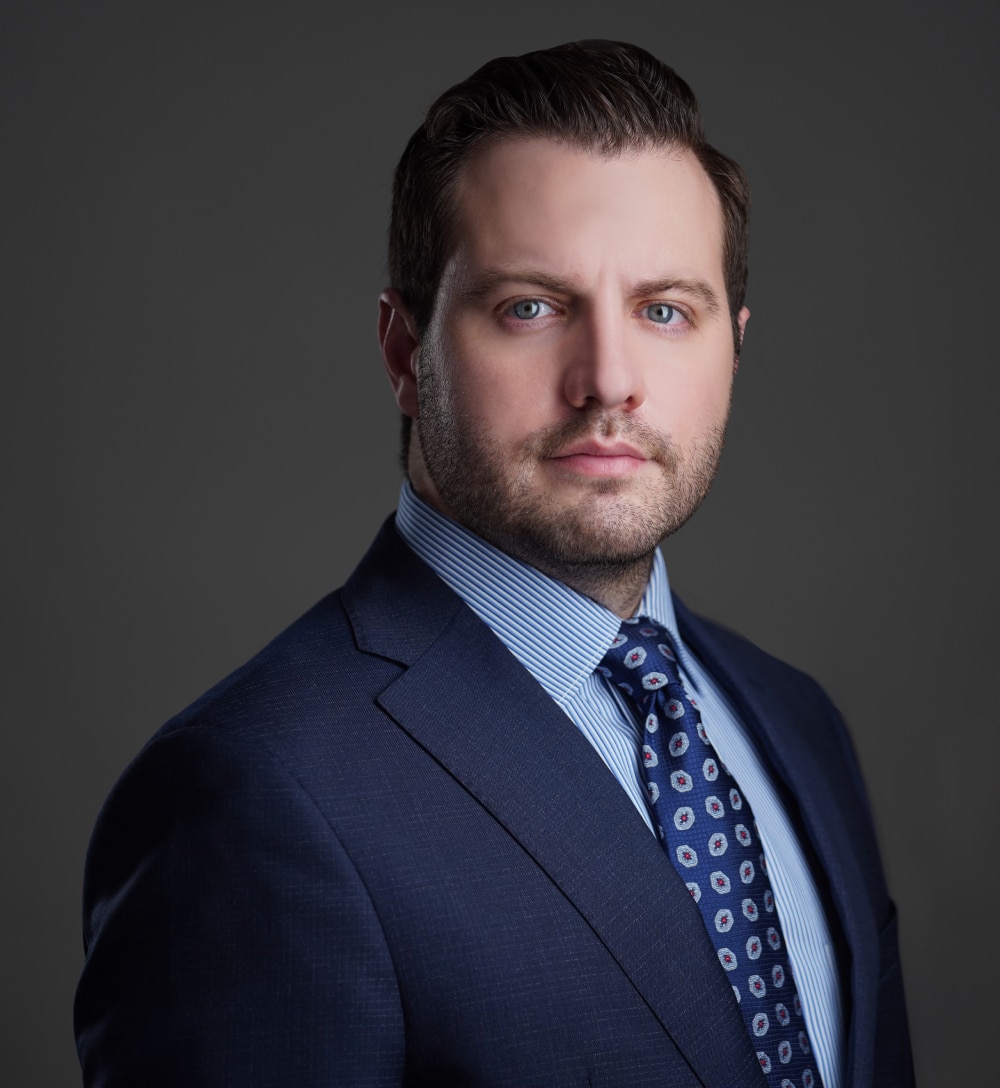
At Ryan Orsatti Law, we believe in a hands-on approach. Attorney Ryan Orsatti works directly with every client, offering compassionate support and clear communication every step of the way. We understand the physical, emotional, and financial toll an accident takes, and our mission is to advocate for the compensation you need to move forward. We handle personal injury cases on a contingency fee basis, which means you pay no fees unless we secure a victory for you.
If you or a loved one has been injured in a T-bone accident, contact us at (210) 525-1200 or through our online form for a free, no-obligation consultation. Allow Ryan and his dedicated team to help you navigate the path to recovery and justice.
Hurt in an accident in San Antonio? Learn how a San Antonio car accident lawyer can help with your claim. Call 210-525-1200 or request a free consultation.
The firm works on a contingency fee. You pay nothing unless the firm recovers money for you, and that covers case expenses as well as the fee: if there is no recovery, you owe no attorney's fee and no case expenses. Ask for the fee agreement and read the fee and expense section before you sign anything.
Related San Antonio legal resources
Primary legal and public-data sources
- TxDOT: Texas crash reports, data, and statistics
- Texas Civil Practice and Remedies Code Chapter 33: proportionate responsibility
Ryan Orsatti Law
4634 De Zavala Road, San Antonio, TX 78249
General reference links. Consult each source for its current text.