
Traumatic brain injuries or TBIs range from mild concussions to severe damage affecting cognitive function, memory, personality, and physical abilities. Among the most common causes of these injuries are motor vehicle crashes, falls from height or ground level, workplace accidents, bicycle and pedestrian collisions, and sports-related impacts.
Understanding what causes TBIs, recognizing early symptoms, and taking immediate legal action protects both your health and your right to compensation for injuries requiring long-term treatment and support.
Attorney Ryan Orsatti works directly with TBI survivors and their families across San Antonio, Austin, Dallas, and Houston to investigate these incidents, document brain injuries, and fight for fair compensation when negligence causes devastating brain trauma.
Key Takeaways for Common TBI Causes in Texas
- Motor vehicle crashes, including car, truck, and motorcycle collisions cause the highest percentage of severe TBIs
- Falls account for the largest number of TBI emergency room visits, with elderly individuals and construction workers facing the highest risk
- Workplace accidents including falls from height, struck-by incidents with equipment or falling objects, and industrial collisions cause catastrophic brain injuries that may trigger third-party liability claims
- Helmet use may reduce TBI severity in bicycle, motorcycle, and sports crashes, though lack of helmet use rarely bars compensation claims when driver negligence caused the collision
- Early medical evaluation is critical because TBI symptoms may not appear immediately, and delayed diagnosis complicates both treatment and legal claims
Motor Vehicle Crashes and Traumatic Brain Injury
Vehicle collisions can cause severe TBIs requiring hospitalization. The combination of high speeds, sudden deceleration, and impact forces creates conditions where brains strike the inside of skulls, blood vessels tear, and brain tissue suffers bruising, swelling, and shearing injuries.

Car Accidents and Brain Injury
Car crashes cause TBIs through multiple mechanisms:
- Frontal collisions where occupants’ heads strike steering wheels, dashboards, or windshields despite airbag deployment
- Side-impact crashes that provide less protection, allowing heads to strike door frames, windows, or intruding vehicle structures
- Rear-end collisions that cause whiplash motion, snapping heads backward then forward violently and causing the brain to impact the skull repeatedly
- Rollover crashes that throw unrestrained occupants or cause heads to strike the roof and pillars as the vehicle tumbles
Even in moderate-speed crashes, occupants may suffer concussions or more serious brain injuries.
Symptoms don’t always appear immediately. Hours or days after the crash, victims experience headaches, confusion, memory problems, mood changes, or balance issues signaling brain trauma.
Truck and Commercial Vehicle TBI Crashes
18-wheelers, delivery trucks, and commercial vehicles cause disproportionately severe brain injuries due to their size and weight. When an 80,000-pound semi-truck strikes a passenger vehicle, the force involved creates catastrophic trauma.
Texas’s extensive trucking corridors including I-10 from El Paso through San Antonio to Houston, I-35 from Dallas through Austin to the border, and I-45 connecting Dallas and Houston all see frequent truck crashes with TBI outcomes. Federal Motor Carrier Safety Administration (FMCSA) violations, including hours-of-service violations leading to fatigued driving, inadequate maintenance, and improper cargo loading, may contribute to these crashes.
Motorcycle Accidents and Head Trauma
Motorcyclists face extreme TBI risk even with helmet use because they lack the protective cage surrounding car occupants. Direct impacts throw riders from bikes, causing their heads to strike pavement, vehicles, or roadside objects. Even without direct head impact, rapid deceleration causes brains to impact skulls internally.
Texas law does not require helmet use for riders over 21 who complete safety courses or carry adequate insurance, but helmet use could reduce TBI severity.
Falls Causing Traumatic Brain Injury
Falls cause more TBI emergency room visits than any other single cause, though many are less severe than motor vehicle crash TBIs. However, falls kill more people over 65 than any other injury type, and construction falls cause catastrophic injuries to workers.
Slip-and-Fall and Trip-and-Fall Brain Injuries
Ground-level falls cause TBIs when people slip on wet floors, trip over hazards, or lose balance on uneven surfaces, striking their heads on floors, concrete, or nearby objects. These incidents happen in grocery stores, restaurants, office buildings, parking lots, and sidewalks across Texas cities.
Elderly individuals face a higher risk because age-related balance issues, medication side effects, and reduced bone density make falls more likely and more dangerous. A fall that causes minor bruising in a young person may cause skull fractures and brain bleeding in someone over 70.
Property owners owe visitors a duty to maintain reasonably safe premises. When they fail to clean spills, repair broken flooring, provide adequate lighting, or warn of temporary hazards, they bear liability for resulting brain injuries. Premises liability claims require proving the property owner knew or should have known about the hazard and failed to correct it or warn visitors.
Construction Falls and Workplace Head Injuries
Construction workers face severe TBI risk from falls off ladders, scaffolding, roofs, and elevated platforms. Occupational Safety and Health Administration (OSHA) data shows falls from height as the leading cause of construction worker deaths, with many survivors suffering permanent brain damage.
These falls happen when:
- Employers fail to provide fall protection equipment like harnesses, guardrails, or safety nets
- Scaffolding collapses due to improper assembly or overloading
- Ladder defects or improper placement cause workers to lose footing
- Workers slip on debris or unstable surfaces at elevation
- Unguarded roof edges or floor openings create fall hazards
A worker falling 10, 20, or 30 feet strikes the ground with tremendous force, causing severe head trauma even with hard hat use.
Construction TBI cases may involve both workers’ compensation claims and third-party liability claims. Third-party claims against general contractors, property owners, equipment manufacturers, or subcontractors who caused the hazard provide additional compensation for pain and suffering, lost wages, and other damages workers’ compensation doesn’t cover.
Workplace Accidents Beyond Falls
Construction sites and industrial facilities create TBI risks beyond falls from height.

Struck-By and Caught-Between Incidents
Workers suffer brain injuries from multiple struck-by hazards:
- Falling objects like tools, materials, or equipment dropped from height
- Swinging loads from cranes that strike workers’ heads
- Machinery that catches workers between moving parts
- Vehicles or equipment backing into workers in blind spots
- Collapsed materials or structures
Even with hard hat use, these impacts cause concussions, skull fractures, and brain damage.
Employers must maintain safe work zones, secure elevated materials, train equipment operators, establish ground personnel exclusion zones, and inspect lifting equipment. When they fail to implement these safety measures and workers suffer brain injuries, employers and potentially other liable parties bear responsibility.
Industrial and Manufacturing TBIs
Manufacturing facilities, oil and gas operations, and industrial plants create brain injury risks through equipment malfunctions, chemical exposures, explosions, and collisions with heavy machinery. Workers operating forklifts, heavy equipment, or working near moving parts face impact risks. Confined space accidents may involve falls or oxygen deprivation, causing brain damage.
Texas’s extensive oil and gas industry, particularly around Houston and in West Texas, generates industrial brain injuries. Manufacturing facilities in San Antonio, Dallas, and throughout the state involve heavy machinery and collision risks.
Bicycle and Pedestrian Accidents Causing TBI
Cyclists and pedestrians struck by vehicles suffer severe brain injuries because they lack protective barriers. Even at moderate speeds, impacts throw victims to the ground where heads strike pavement or vehicles strike heads directly.
Bicycle Crash Brain Injuries
Common bicycle crash scenarios causing TBIs include:
- Right-hook collisions where turning vehicles strike cyclists proceeding straight
- Left-cross crashes at intersections where drivers turn across cyclists’ paths
- Dooring incidents where parked car occupants open doors into cyclists’ paths
- Rear-end collisions from distracted or speeding drivers who fail to see cyclists ahead
- Sideswipe crashes where drivers pass too closely and strike cyclists
Helmet use can reduce TBI severity, but many cyclists suffer brain injuries even with helmets due to impact forces involved. Helmet nonuse generally cannot be used as evidence of contributory negligence, so even unhelmeted cyclists may recover compensation when driver negligence caused the crash.
Pedestrian Head Injuries
Pedestrians struck in crosswalks, parking lots, or while walking along roads suffer TBIs when thrown to the ground or when vehicles strike their heads directly. These crashes happen when drivers fail to yield, speed through residential areas, drive distracted, or operate impaired. Children and elderly individuals suffer higher mortality rates and more severe injuries.
Sports and Recreation TBI
Sports-related concussions and more severe brain injuries affect athletes from youth leagues through professional levels, as well as recreational participants.
Contact Sports Brain Injuries
Football causes the highest number of sports-related TBIs due to player-to-player collisions, tackles, and helmet-to-helmet impacts. Soccer players suffer concussions from heading balls, player collisions, and striking goal posts. Basketball, hockey, and other contact sports involve collision risks. Even with protective equipment and rule changes designed to reduce head impacts, athletes suffer brain injuries.
Coaches, leagues, and schools owe athletes a duty to provide proper equipment, enforce safety rules, remove athletes showing concussion symptoms, and follow return-to-play protocols. When they fail to meet these duties and brain injuries result or worsen, they may bear liability. Equipment manufacturers may be liable when helmet defects or design flaws fail to provide adequate protection.
Recreational Activity TBIs
Cycling, skating, skateboarding, skiing, and other recreational activities cause brain injuries through falls and collisions. While participants assume some inherent risk, property owners, equipment rental companies, and event organizers may be liable when negligent maintenance, defective equipment, or inadequate warnings contribute to crashes.
Austin’s active outdoor recreation culture, Dallas’s extensive park systems, Houston’s sports facilities, and San Antonio’s attractions all create settings where recreational TBIs occur.
Violence and Assault Causing Brain Injury
Intentional acts of violence, including assaults, domestic violence, and gunshot wounds, may cause traumatic brain injuries. While criminal prosecution addresses the intentional harm, civil claims allow victims to pursue compensation.
Texas law allows victims to sue attackers for damages even if criminal cases are pending. Victims may also have claims against third parties like property owners who failed to provide adequate security, establishments that overserved alcohol to attackers, or employers who negligently hired or retained dangerous individuals.
These civil cases proceed independently of criminal prosecutions and use different evidence standards.
Recognizing TBI Symptoms After an Incident
Traumatic brain injury symptoms don’t always appear immediately. Some individuals lose consciousness at the scene, but many remain conscious and don’t realize they’ve suffered brain trauma until hours or days later.
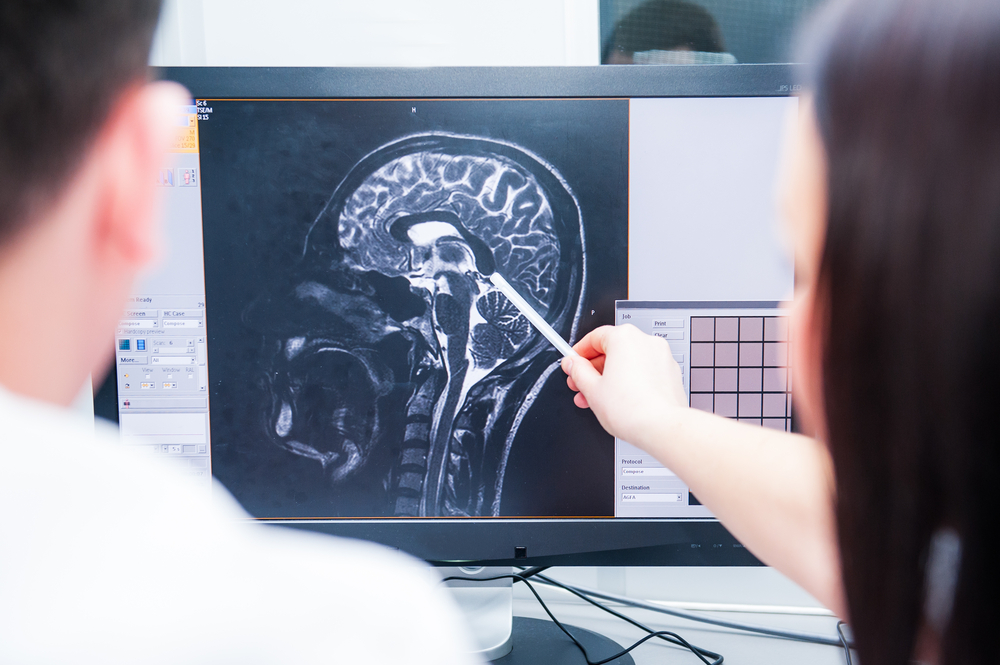
Common TBI symptoms include:
Physical symptoms:
- Headaches, nausea, and vomiting
- Dizziness and balance problems
- Vision changes and sensitivity to light or noise
- Fatigue and drowsiness
Cognitive symptoms:
- Confusion and memory problems
- Difficulty concentrating and feeling mentally foggy
- Slowed thinking and difficulty finding words
Emotional and behavioral symptoms:
- Irritability and mood swings
- Anxiety and depression
- Personality changes and unusual behavior
Sleep disturbances:
- Sleeping more or less than usual
- Difficulty falling asleep or staying asleep
Seek immediate medical evaluation after any incident involving head impact or violent motion. Delayed diagnosis complicates both medical outcomes and legal claims because insurance companies may argue the injury wasn’t caused by the incident if you didn’t seek immediate care.
Medical providers use CT scans, MRIs, neurological exams, and cognitive testing to diagnose TBIs and assess severity. Treatment may include rest, medication, rehabilitation therapies, or surgery, depending on injury severity.
Who Pays for TBI Medical Treatment and Long-Term Care
Severe TBIs require long-term care, including physical therapy, occupational therapy, speech therapy, cognitive rehabilitation, and psychological support. TBI treatment costs can be significant, particularly in serious cases. Several sources may cover these costs depending on how the injury occurred:
- Health insurance covers initial emergency treatment and ongoing care, though you may face copays, deductibles, and coverage limits
- Auto insurance personal injury protection (PIP) or medical payments coverage provides initial coverage after vehicle crashes regardless of fault
- Liability insurance from the at-fault party pays medical bills, lost wages, and pain and suffering after your attorney settles or wins your claim
Some medical providers treat TBI patients on a lien basis, meaning they wait for payment until your legal claim resolves. This arrangement allows you to receive necessary care without upfront payment. Ryan Orsatti Law helps arrange these payment structures when possible, so financial concerns don’t prevent proper treatment.
How Long You Have to File a TBI Claim in Texas
Texas law generally gives you two years from the date of injury to file a personal injury lawsuit. This deadline applies to TBIs from vehicle crashes, falls, assaults, and most other causes. Claims against government entities require written notice within six months and carry other special requirements.
Two years might sound like ample time, but TBI cases might require extensive investigation, medical documentation, expert analysis, and negotiation. Brain injuries may take months to fully reveal their impact. You need time for medical providers to understand your prognosis before settling. Waiting too long before hiring a traumatic brain injury lawyer could leave you rushing or missing deadlines.
FAQ About TBI Causes in Texas
Ryan Orsatti Law handles TBI cases on a contingency fee basis, meaning you pay no attorney fees unless you recover compensation through settlement or trial verdict. Consultations are always free at (210) 525-1200, allowing you to discuss your case with no financial obligation.
Many mild to moderate TBIs don’t appear on standard imaging but still cause real, debilitating symptoms. Your attorney works with neurologists and neuropsychologists who use cognitive testing, symptom tracking, and expert testimony to document brain injuries that imaging misses, proving the injury exists and linking it to the incident.
You can prove invisible TBI symptoms through medical records documenting your complaints, neuropsychological testing showing cognitive deficits, testimony from family and coworkers describing personality and behavior changes, journals tracking daily symptoms and limitations, and expert testimony explaining how your symptoms are consistent with traumatic brain injury.
Yes, Texas law allows TBI victims to recover compensation for pain and suffering, emotional distress, mental anguish, loss of enjoyment of life, and permanent impairment in addition to economic damages like medical bills and lost wages. Severe TBIs that permanently alter your personality, abilities, and quality of life often justify substantial non-economic damages.
Yes, many serious TBIs occur without loss of consciousness, and unconsciousness is not required to prove brain injury or recover compensation. Your attorney documents your symptoms, cognitive changes, and medical findings to establish the TBI regardless of whether you blacked out at the scene.
You may still recover compensation for a new TBI even with prior head injuries, though insurance companies may argue your current symptoms stem from the old injury rather than their client’s negligence. Your attorney might work with medical experts to distinguish new injuries from pre-existing conditions and prove how the recent incident worsened your condition or caused distinct new damage.
Let Ryan Orsatti Law Fight for Your Future After a Traumatic Brain Injury

Traumatic brain injuries change lives permanently, affecting your ability to work, care for yourself, maintain relationships, and enjoy activities you once loved. The costs extend far beyond initial hospitalization to include years or decades of therapy, medication, assistive devices, home modifications, and lost earning capacity.
Attorney Ryan Orsatti works directly with brain injury survivors and their families, fighting for compensation that covers not just today’s bills but decades of future care.
Contact Ryan Orsatti Law at (210) 525-1200 for a free, compassionate case evaluation. You’ll speak directly with Attorney Ryan Orsatti, not an intake specialist.
Hurt in an accident in San Antonio? Learn how a San Antonio traumatic brain injury lawyer can help with your claim. Call 210-525-1200 or request a free consultation.
The firm works on a contingency fee. You pay nothing unless the firm recovers money for you, and that covers case expenses as well as the fee: if there is no recovery, you owe no attorney's fee and no case expenses. Ask for the fee agreement and read the fee and expense section before you sign anything.
Related San Antonio legal resources
- San Antonio traumatic-brain-injury representation
- Texas personal-injury services
- Contact Ryan Orsatti Law
Primary legal and public-data sources
- Texas Civil Practice and Remedies Code Chapter 16: limitations
- Texas Civil Practice and Remedies Code Chapter 33: proportionate responsibility
Ryan Orsatti Law
4634 De Zavala Road, San Antonio, TX 78249
General reference links. Consult each source for its current text.